What’s Fiber Got to Do With It?
Fiber exists in multiple forms, each with distinct characteristics. For instance, some types of fiber readily dissolve in water, while others are easily broken down by gut microbes, and some remain relatively intact from entrance to exit!
The various characteristics of fiber determine how it works inside your body, what it does once it reaches your gut, and how well it’s tolerated when you have Irritable Bowel Syndrome (IBS). Experts like to divide fiber into two basic types: insoluble and soluble. Generally speaking, insoluble fiber doesn’t dissolve well in water, and soluble fiber does.
Why is fiber so important for people with IBS and which kind is best?
Regulating Bowel Movements: Fiber, especially soluble fiber, can help regulate bowel movements by adding bulk to stool, making it easier to pass. For those with IBS who experience constipation or diarrhea, fiber can help normalize stool consistency and frequency.
Relieving Constipation: Many people with IBS suffer from constipation, and fiber can help soften stool and promote regular bowel movements, making it easier to pass stool without straining.
Alleviating Diarrhea: While insoluble fiber can exacerbate diarrhea in some individuals with IBS, soluble fiber can help absorb excess water in the colon, which can help alleviate diarrhea and reduce urgency.
Supporting Gut Health: Fiber serves as a prebiotic, meaning it provides nourishment for beneficial bacteria in the gut. These bacteria help maintain a healthy gut microbiome, which is important for overall digestive health and may contribute to symptom relief in IBS.
Reducing Bloating and Gas: While some types of fiber can contribute to bloating and gas in individuals with IBS, soluble fiber is less likely to cause these symptoms. Additionally, fiber can help promote regular bowel movements, reducing the likelihood of bloating and discomfort associated with constipation.
Managing Weight: High-fiber foods tend to be more filling and can help you feel satisfied with smaller portions, which may aid in weight management. Maintaining a healthy weight is important for overall health and may help manage symptoms of IBS.
If you have IBS it's essential to be cautious about the types and amounts of fiber you consume, as some types of fiber can exacerbate symptoms.
Soluble Fiber Takes The Cake
Soluble fiber is gentle on the gut and helps regulate both diarrhea and constipation so it’s the type of fiber to look for when you have IBS.
Good sources of soluble fiber include:
Oatmeal
Barley
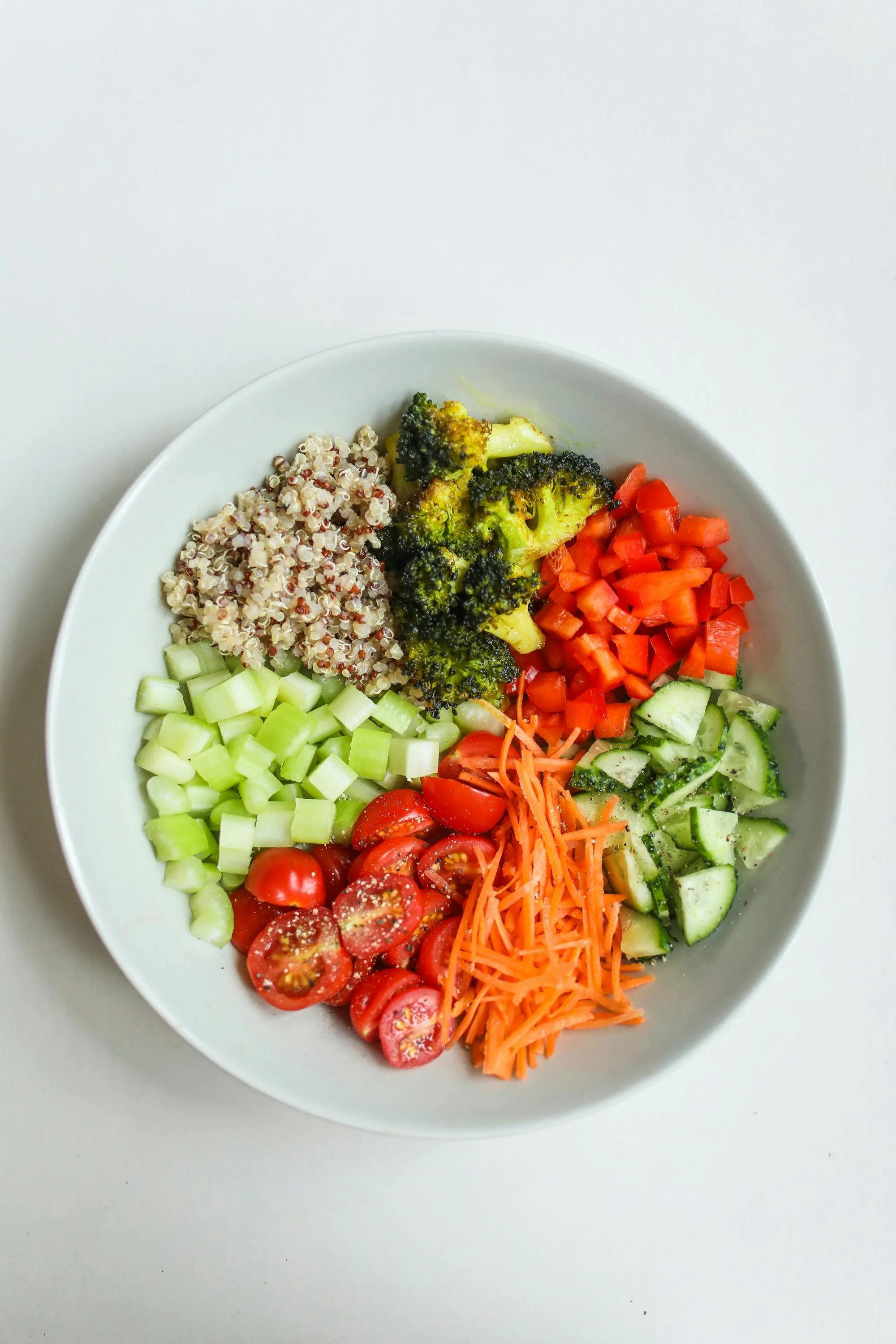
Quinoa
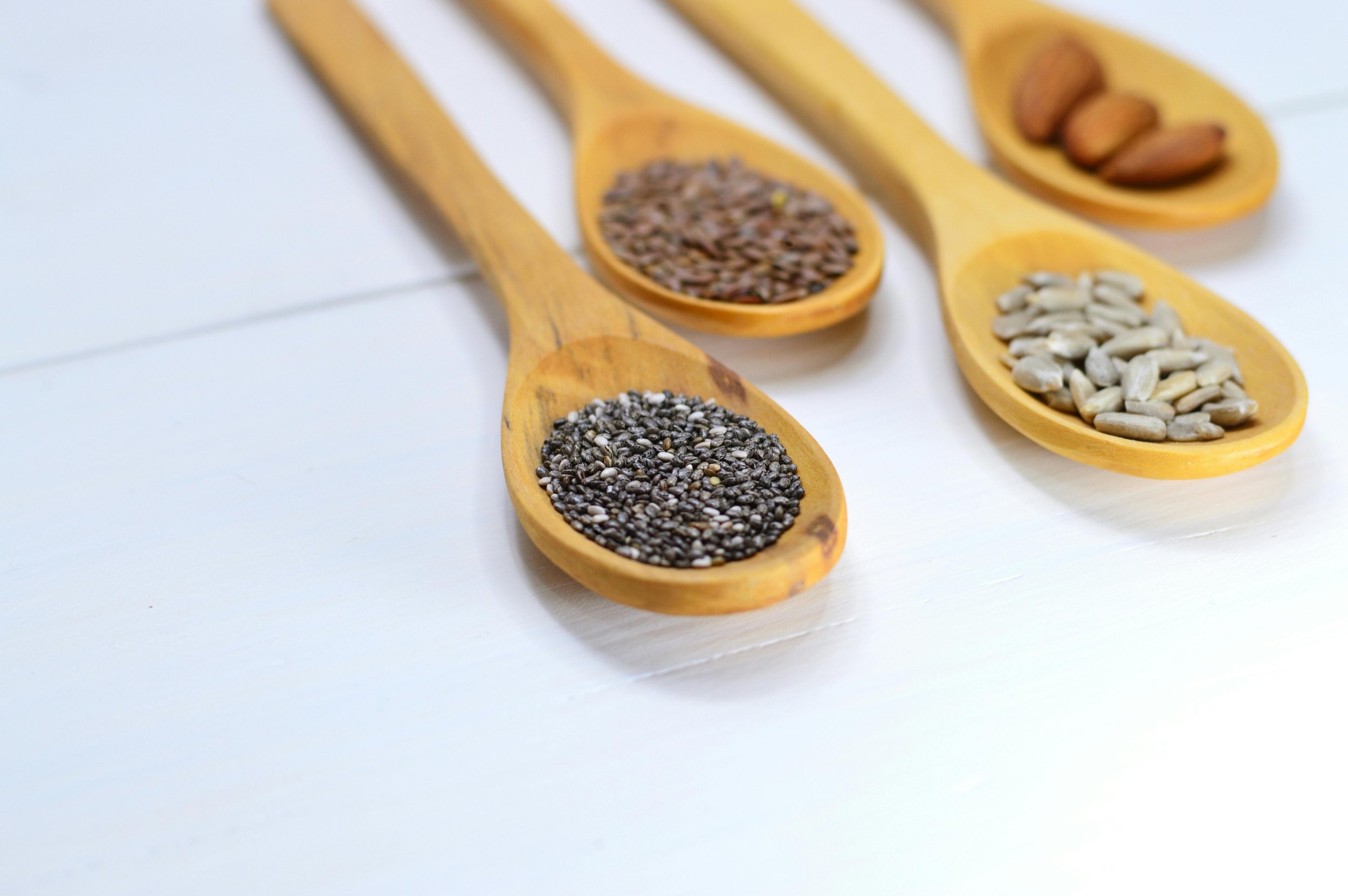
Flaxseeds
Chia seeds
Sunflower seeds
Macadamia nuts
Sweet potatoes (cooked and peeled)
Tofu (always choose firm tofu which is low in FODMAPs—not Silken Tofu which is higher in FODMAPs)
Coffee (YES! Coffee has fiber!) — I always recommend decaf coffee if you have IBS as caffeine is a gut stimulant and irritant
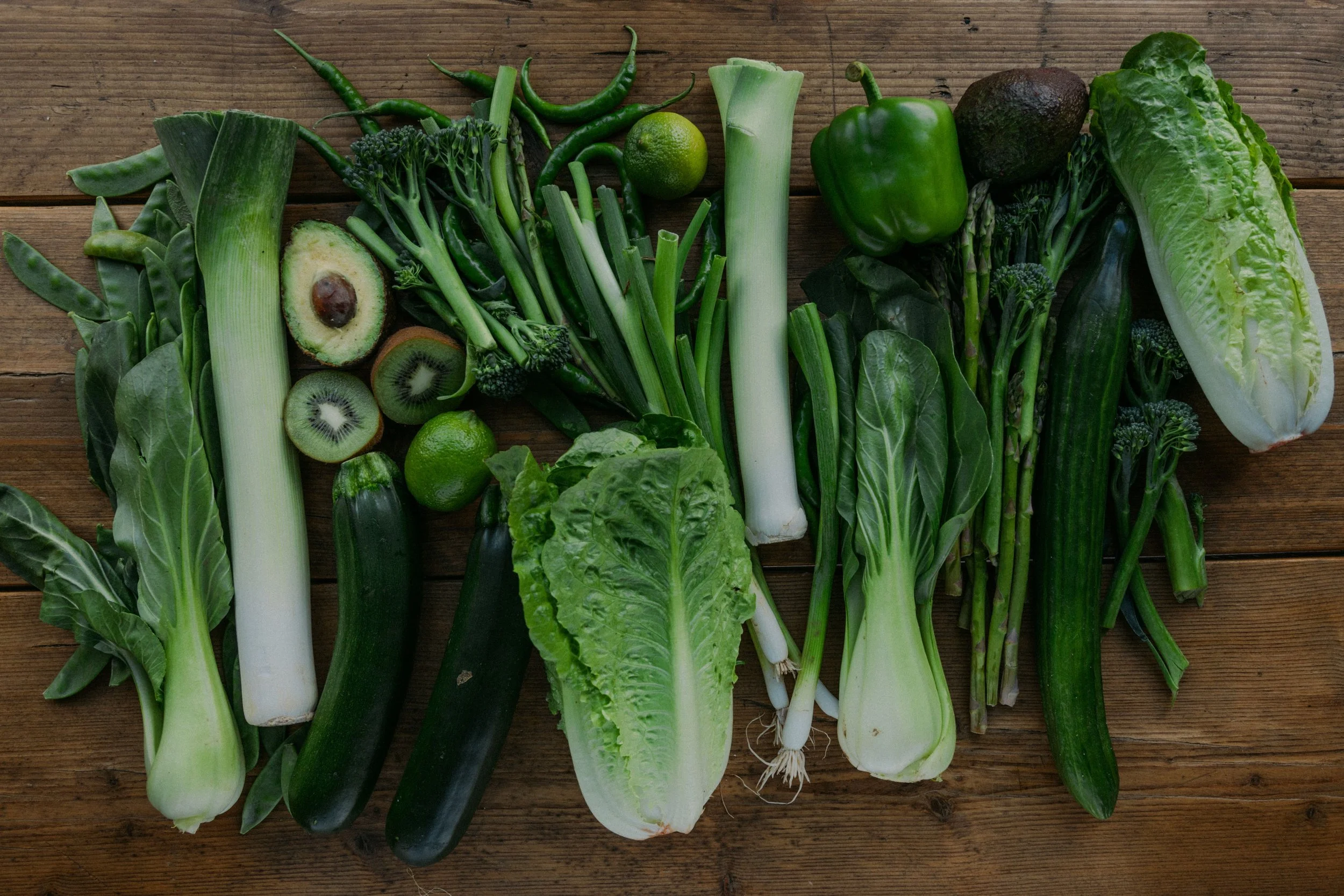
Low-FODMAP Fruits and Vegetables: There are many fruits and vegetables that are low in FODMAPs and are good sources of fiber. These include:
Berries (such as strawberries, blueberries, raspberries)
Oranges
Grapes
Pineapple
Kiwi
Broccoli
Avocado (keeping in mind 1/8 of an avocado is the low FODMAP serving)
Carrots
Cucumbers
Bell peppers
Spinach
Zucchini
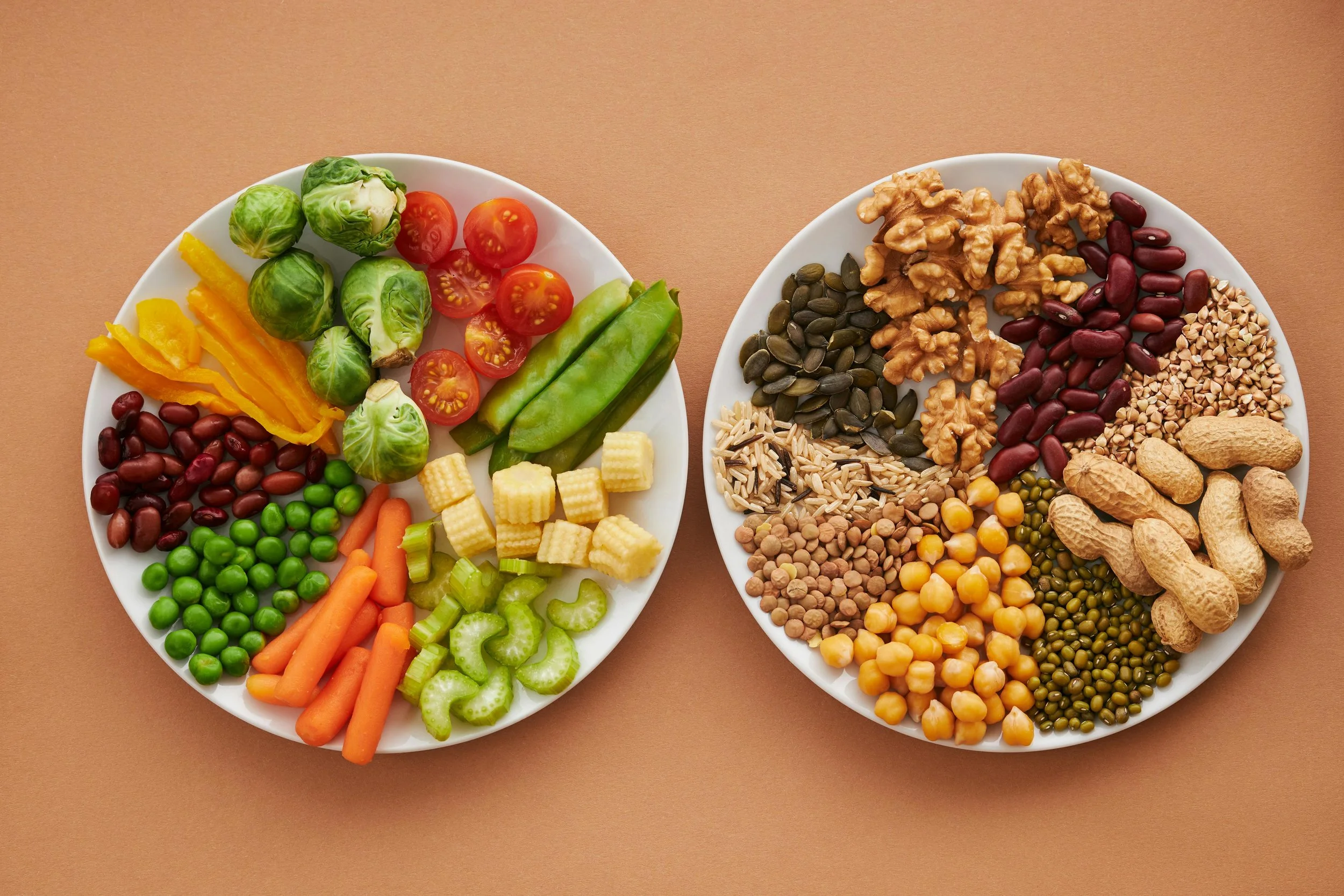
Seeds and Nuts: Some seeds and nuts can be high in insoluble fiber, which may aggravate IBS symptoms. However, certain seeds and nuts are lower in insoluble fiber and can be well-tolerated, such as:
Pumpkin seeds (pepitas)
Sunflower seeds
Almonds (in small quantities)
Walnuts (in small quantities)
Gluten-Free Whole Grains: Some people with IBS find that reducing gluten in their diet can help alleviate symptoms. While not everyone with IBS needs to avoid gluten, incorporating gluten-free whole grains can be beneficial. Examples of gluten-free grains include:
Brown rice (white rice is not considered a whole grain)
Quinoa
Buckwheat
Millet
Fiber Supplements: If it's difficult to get enough fiber from food sources, you may consider adding a soluble fiber supplement to your daily routine. It's important to start with a small dose and gradually increase it to avoid triggering symptoms. Additionally, staying well-hydrated is crucial when increasing fiber intake to prevent constipation.
A couple of readily available soluble fiber supplements can be found on Amazon at the below links.
Acacia Senegal also known as gum arabic, acacia fiber, or acacia gum
You can also purchase fiber and all kinds of other supplements through the IBS Game Changer Dispensary directly with a 15% discount and free shipping on orders over $50.
If you follow my blog and use my recipes you’ll see I use Psyllium Husk as a stabilizer in some of my recipes such as my Amazing Seed Crackers. So, it’s not just a supplement!
It's essential to pay attention to your body's response to different foods and fibers and adjust your intake accordingly. It may be helpful to work with an IBS coach for personalized guidance and support while managing IBS symptoms. If that’s what you’re looking for, you know where to find me!
Have a question you’d like to have answered? Email me at hello@ibsgamechanger.com
More Deliciously Low FODMAP™ tips and tools