The IBS Food Detective Series: Part 2B - Fine-Tuning Your Results: Subdivision and Threshold Testing
In Part 2A, you learned the three cardinal rules of elimination and how to run a proper 2-3 week test. You've eliminated a trigger category, tracked your results, and seen improvement.
Now what?
This is where most people make a critical mistake: they assume they need to avoid that entire category forever. If fat was the problem, they go low-fat permanently. If fiber-triggered symptoms, they avoid all high-fiber foods indefinitely.
This is unnecessary and will keep your diet more restricted than it needs to be.
Today, I'm teaching you how to fine-tune your results through subdivision testing and threshold testing. This is how you go from "I can't eat fat" to "I can eat plant-based fats in small amounts, but I need to avoid fried foods and heavy cream."
That level of precision is what gives you food freedom.
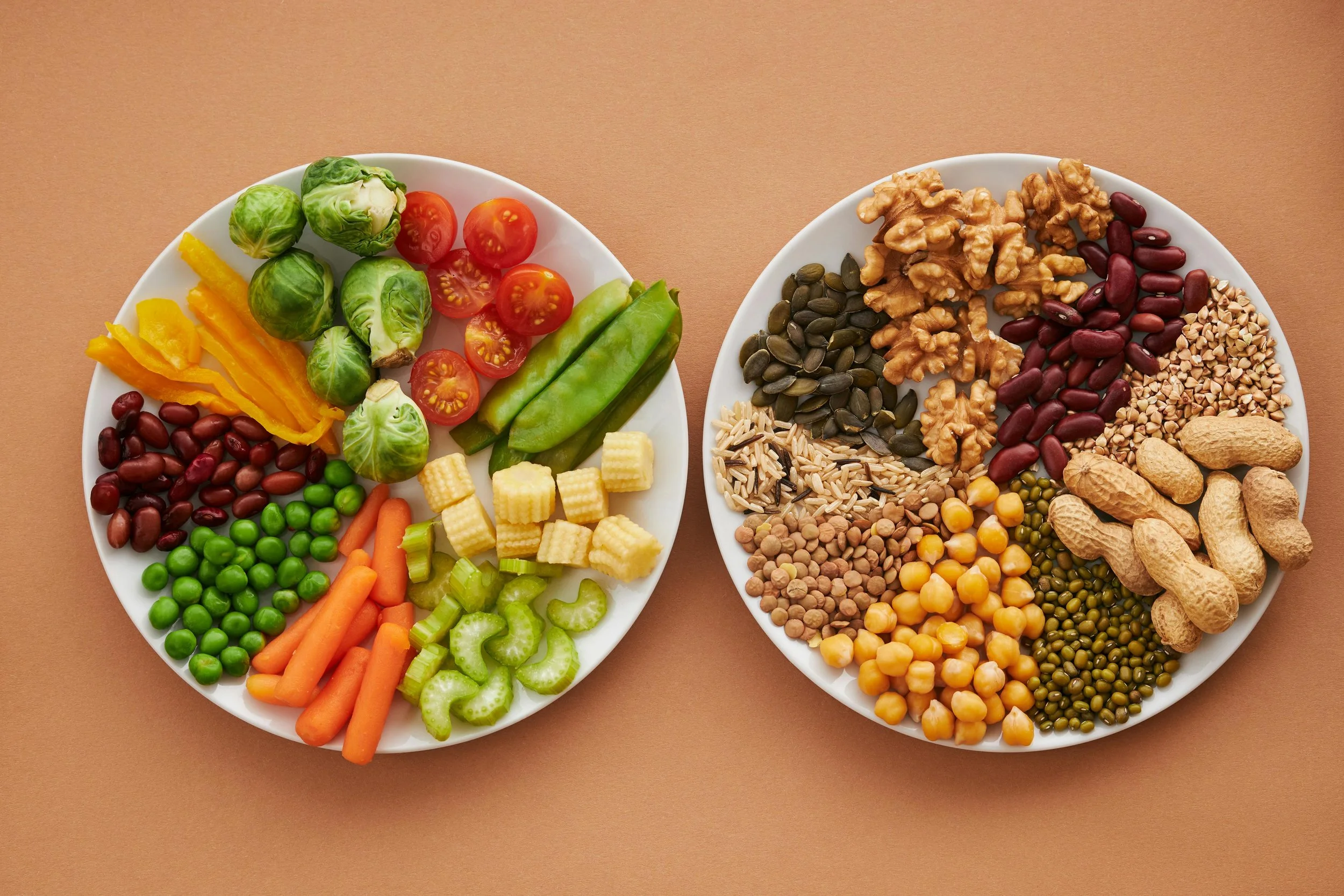
Step 4: Subdivision Testing (Weeks 4-8)
(See weeks 1 - 3 in part 2A here.)
If you saw improvement during your elimination, don't just avoid that entire category forever. Most trigger categories have subcategories, and you likely only react to some of them.
Example: If high-fat foods improved your symptoms, here's how I recommend testing subgroups:
Week 4: Test plant-based fats (avocado, olive oil, nuts)
Week 5: Test dairy fats (cheese, butter, cream)
Week 6: Test fried foods
Week 7: Test fatty meats
How to test: Add back one subgroup for 3-4 days while keeping everything else low-fat. If symptoms return, that subgroup is a problem. If you stay stable, that subgroup is fine.
Example: If high-FODMAP foods improved your symptoms, I recommend testing these subgroups following the official FODMAP reintroduction protocol:
Week 4: Test fructans (wheat, garlic, onion—one at a time)
Week 5: Test lactose (milk, ice cream)
Week 6: Test polyols (stone fruits, sugar alcohols)
Week 7: Test GOS (legumes, beans)
Example: If high insoluble fiber improved your symptoms, test:
Week 4: Test cooked cruciferous vegetables (broccoli, cauliflower - well-cooked)
Week 5: Test raw vegetables in very small amounts
Week 6: Test whole grain products (one type at a time)
Week 7: Test nuts and seeds in small amounts
The goal: Build a precise list of "foods I actually need to avoid" rather than avoiding broad categories indefinitely.
How to Run a Subdivision Test
Let's walk through a specific example. Say you eliminated high-fat foods and felt significantly better. Now you're testing the plant-based fats subgroup.
Days 1-2: Test olive oil
Add 1 tablespoon of olive oil to your meals (on vegetables, in cooking)
Keep everything else low-fat
Track symptoms
Days 3-4: Test avocado
Eat 1/4 to 1/2 of an avocado
Keep everything else low-fat (no olive oil these days)
Track symptoms
Days 5-6: Test nuts
Eat 10-15 almonds or walnuts
Keep everything else low-fat (no olive oil or avocado these days)
Track symptoms
Days 7-8: Rest days
Return to low-fat eating
Let your gut reset before testing the next subgroup
Evaluate results:
Olive oil: No symptoms → SAFE
Avocado: Mild bloating → MAYBE (needs threshold testing)
Nuts: Cramping and diarrhea → AVOID
Now you know you can use olive oil freely, need to be careful with avocado portions, and should avoid nuts for now. That's way more freedom than "avoid all fats."
Why Subdivision Testing Matters
Without subdivision testing, you end up with overly broad restrictions:
"I can't eat vegetables" (when really you just can't eat raw cruciferous vegetables)
"I can't eat fruit" (when really you just can't eat high-FODMAP fruits like apples and pears)
"I can't eat fat" (when really you just can't eat fried foods and heavy cream)
These broad restrictions are unnecessarily limiting. Most people can tolerate some foods within their trigger category—you just need to find out which ones.
Step 5: Determine Your Tolerance Threshold (Weeks 8-10)
For the foods you've identified as triggers, you need to find your threshold. Most people can tolerate small amounts but react to larger amounts.
How to test thresholds:
Start with a very small amount and gradually increase over several days:
Day 1: 1/4 normal serving
Day 2: 1/2 normal serving
Day 3: 3/4 normal serving
Day 4: Full normal serving
Stop increasing when symptoms appear. The last amount that didn't trigger symptoms is your threshold.
Example with garlic:
Day 1: 1/4 clove cooked in food (fine)
Day 2: 1/2 clove (fine)
Day 3: 1 whole clove (bloating and gas) → Your threshold is 1/2 clove. You can have small amounts in cooked dishes, but not in dishes where garlic is a main ingredient.
Example with avocado:
Day 1: 2 tablespoons (fine)
Day 2: 1/4 avocado (fine)
Day 3: 1/2 avocado (mild symptoms)
Day 4: Whole avocado (significant symptoms) → Your threshold is 1/4 avocado. You can have small amounts, but not the whole Instagram-worthy avocado toast.
Example with coffee:
Day 1: 4 oz (1/2 cup) coffee (fine)
Day 2: 8 oz (1 cup) coffee (fine)
Day 3: 12 oz (fine on some days, symptoms on others)
Day 4: 16 oz (symptoms) → Your threshold is 8 oz. One cup of coffee is fine, but not a giant mug.
This threshold testing is crucial. It's the difference between "I can never have garlic" and "I can have garlic-flavored dishes but not dishes where garlic is a main ingredient."
Thresholds Can Vary by Context
Your threshold for a trigger food might be different depending on:
Your stress level (lower tolerance when stressed)
Other foods in the meal (lower tolerance when combined with other triggers)
Time of day (some people tolerate triggers better at certain times)
Where you are in your menstrual cycle (if applicable)
How well you slept (poor sleep lowers tolerance)
This is why you might tolerate 1/2 cup of coffee on a calm Tuesday morning but react to the same amount on a stressful Monday after poor sleep.
Track these contextual factors in your food diary. Over time, you'll learn not just your thresholds but the conditions under which those thresholds shift.
Common Elimination Mistakes I See (and how to avoid them)
Mistake 1: Eliminating Too Many Categories at Once
The fix: Test one category at a time, even if it takes longer. I promise you, patience now saves months of confusion later.
Mistake 2: Not Being Strict Enough
"I mostly avoided dairy except for a little cheese," won't give you useful data. If you're testing it, eliminate it completely.
The fix: Read every label. Ask about ingredients at restaurants. Take the test seriously.
Mistake 3: Testing During a Flare-Up
You can't tell if an elimination is working when your gut is already in chaos from stress, illness, or hormones.
The fix: Wait for relative stability before starting. Or use the reset diet first.
Mistake 4: Not Giving It Enough Time
3-4 days isn't enough to clear most triggers and see consistent results.
The fix: Commit to 2-3 weeks. Mark it on your calendar. Don't quit early.
Mistake 5: Avoiding Foods Forever Without Retesting
Your gut changes over time. What triggered you 6 months ago might be fine now, especially if you've been working on the gut-brain connection and sleep.
The fix: Retest previously identified triggers every 6-12 months. You might be pleasantly surprised.
Mistake 6: Not Doing Subdivision or Threshold Testing
This is the biggest mistake. People identify a trigger category and avoid it forever without narrowing it down.
The fix: Always do subdivision and threshold testing. Don't stop at "fat is bad" or "fiber is bad." Get specific.
Mistake 7: Blaming Everything on Food
If you've eliminated multiple categories and still have constant symptoms, food probably isn't your main issue.
The fix: Shift focus back to stress, sleep, gut-brain axis, hormones, or consider working with a gastroenterologist to rule out other conditions.
The Reintroduction Mindset Shift
This is the most important mental reframe: The goal of elimination is reintroduction.
You're not trying to find out what you can't eat. You're trying to find out what you CAN eat. Every food you successfully reintroduce is a win.
Most people approach this with dread: "Oh no, I have to test this food I'm scared of."
Flip it: "I'm excited to find out if I can actually tolerate this!"
When a food passes the test, celebrate it. Add it to your "safe foods" list with confidence. Your diet should be expanding over time, not shrinking.
Shifting from Fear to Curiosity
Instead of:
"What if this triggers my symptoms?" → Try: "I'm curious to see how my body responds to this."
Instead of:
"I'll never be able to eat normally again." → Try: "I'm building a personalized diet that works for my body."
Instead of:
"I failed because I reacted to this food." → Try: "I gained valuable information. Now I know to avoid this."
This mindset shift makes the whole process feel less like deprivation and more like discovery.
Your Testing Schedule Template
Here's a sample 12-week testing schedule:
Weeks 1-3: Eliminate high-fat foods (your suspected primary trigger)
Weeks 4-7: Subdivision testing of fats (plant vs. dairy vs. fried vs. meats)
Weeks 8-10: Threshold testing for identified fat triggers
Week 11: Rest week (eat your safe foods, let your gut stabilize)
Weeks 12-14: Eliminate next suspect category (let's say FODMAPs)
Notice the rest week between testing phases. Your gut needs breaks from experimentation.
Important: This timeline is flexible. If you need more time in any phase, take it. If you're moving faster, that's fine too. The point is to be systematic, not to rush.
When to Get Professional Help
Consider working with a registered dietitian or coach who specializes in IBS if:
You've eliminated multiple categories and still have severe symptoms
You're down to fewer than 15 safe foods
You're losing weight unintentionally
You're so anxious about food that it's interfering with your life
You need help navigating the low-FODMAP protocol specifically
You have other dietary restrictions (vegetarian, vegan, allergies) that make this complicated
A good dietitian or coach can help you test systematically, ensure nutritional adequacy, and provide accountability.
Tracking Tools That Actually Help
The simple version: Use a notebook or note app with three columns:
Date | Foods eaten | Symptoms (0-10 scale)
The detailed version: Use a spreadsheet with columns for:
Date | Time | Food | Amount | Category tested | Preparation method | Stress level | Symptoms | Time to symptoms | Notes
Apps that can help:
Cara Care (designed specifically for IBS food tracking)
MySymptoms Food Diary (tracks foods and symptoms with charts)
Simple spreadsheets in Google Sheets or Excel
The best tool is the one you'll actually use consistently.
What I'm Covering in Part 3
In Part 3, I'm covering reintroduction done right—the exact step-by-step process for adding foods back safely, how to interpret mixed results, what to do when you react to something you really want to eat, and how to build a sustainable, varied diet that doesn't feel restrictive.
I'll also tackle the psychological side of reintroduction: the fear, the anxiety, and the tendency to stay restricted even when you don't need to be.
What's been your biggest challenge with food elimination? Have you done subdivision or threshold testing?
Disclaimer: This content is for informational purposes only and should not replace professional medical advice. Work with a registered dietitian or healthcare provider when making significant dietary changes, especially if you have other health conditions or dietary restrictions.