The IBS Food Detective Series: Part 1A - Beyond FODMAPs: Fat and Fiber Triggers
You've probably heard about FODMAPs. Maybe you've even tried the low-FODMAP diet. And maybe it helped... sort of. But you're still having symptoms, and you can't figure out why.
Here's what I've learned after years of working with my own IBS and helping others through theirs: FODMAPs are just one piece of the puzzle. They're important, yes, but they're not the only thing that can trigger IBS symptoms. In fact, for some people, FODMAPs aren't even the main culprit.
If you've been living on plain chicken and white rice, convinced that everything else is a trigger, this series is going to open up your world. I'm going beyond the FODMAP headlines to explore the other dietary triggers that might be causing your symptoms—and more importantly, how to identify YOUR specific triggers.
Because here's the truth I want you to understand: IBS is highly individual. What triggers your symptoms might be completely fine for someone else. The goal isn't to follow someone else's safe food list—it's to become a detective of your own body.
The FODMAP Myth I Need to Address
First, let me clear something up: The low-FODMAP diet is a diagnostic tool, not a permanent lifestyle. It was designed to be followed for 2-6 weeks to identify triggers, then systematically reintroduce foods to find your personal tolerance levels.
But somewhere along the way, it became a "safe diet" that people follow indefinitely. This is a problem because:
Long-term restriction can actually harm your gut microbiome
You might be avoiding foods you can actually tolerate
You're missing out on the diversity your gut needs to heal
The stress of extreme restriction can itself trigger symptoms
So if you're stuck in FODMAP restriction purgatory, this series is going to help you find a way out.
The Five Hidden Trigger Categories I've Identified
Beyond FODMAPs, there are five major categories of dietary triggers that can cause IBS symptoms. In my experience, most people have triggers in 2-3 of these categories, not all of them.
In this post, I'm covering the first two: fat and fiber. In Part 1B, I'll cover the other three categories that often fly under the radar.
Trigger Category 1: Fat Content and Fat Type
High-fat meals slow gastric emptying and can trigger something called the gastrocolic reflex—the signal that tells your colon to start moving. For people with IBS-D, this can mean urgent diarrhea 20-90 minutes after eating.
But here's where it gets interesting: not all fats affect everyone the same way.
Some people tolerate olive oil but not butter. Others can handle avocado but not fried foods. The difference often comes down to:
How much fat (a little might be fine, a lot triggers symptoms)
What type of fat (saturated vs. unsaturated, animal vs. plant)
How it's prepared (raw vs. cooked, fried vs. baked)
Common high-fat triggers:
Fried foods (the combination of fat + processing is often worst)
Creamy sauces and dressings
Fatty cuts of meat (bacon, ribeye, dark meat chicken with skin)
Full-fat dairy (cheese, cream, whole milk)
Certain nuts (macadamia, pecans, walnuts in large amounts)
Pastries and baked goods (butter + flour can be a double whammy)
Detective clue: If your symptoms typically start 30-90 minutes after eating and involve cramping followed by urgent bowel movements, fat might be your culprit.
What This Looks Like in Real Life
Let me give you an example: You might be fine with a grilled chicken breast (low fat) but get symptoms from the same chicken if it's fried or covered in a creamy sauce. Or you might tolerate a small drizzle of olive oil on your vegetables but react to a large salad with 3 tablespoons of dressing.
This is why portion size and preparation method matter so much when it comes to fat.
Trigger Category 2: Fiber Type and Quantity
Everyone tells you to "eat more fiber" for digestive health. But for IBS, it's not that simple. In fact, the wrong type or amount of fiber can make things significantly worse.
There are two types of fiber:
Soluble fiber: Dissolves in water, forms a gel, generally gentler on the gut
Insoluble fiber: Doesn't dissolve, adds bulk, can be irritating for sensitive guts
People with IBS-D often do better with soluble fiber and worse with insoluble fiber. People with IBS-C might need more fiber overall but need to increase it very gradually.
High insoluble fiber foods that commonly trigger symptoms:
Raw vegetables (especially cruciferous: broccoli, cauliflower, cabbage)
Salads with lots of raw greens
Whole wheat products (especially if you're also sensitive to gluten/fructans)
Seeds and seed-containing foods (raspberries, strawberries, tomatoes)
Popcorn
Nuts with skins on
Better tolerated soluble fiber sources:
Oatmeal
Peeled, cooked carrots
Bananas
White rice
Potatoes (without skin)
Psyllium husk (start small!)
Detective clue: If you get worse after "being healthy" and eating big salads or loading up on vegetables, or if you feel bloated and uncomfortable for hours after high-fiber meals, this might be your issue.
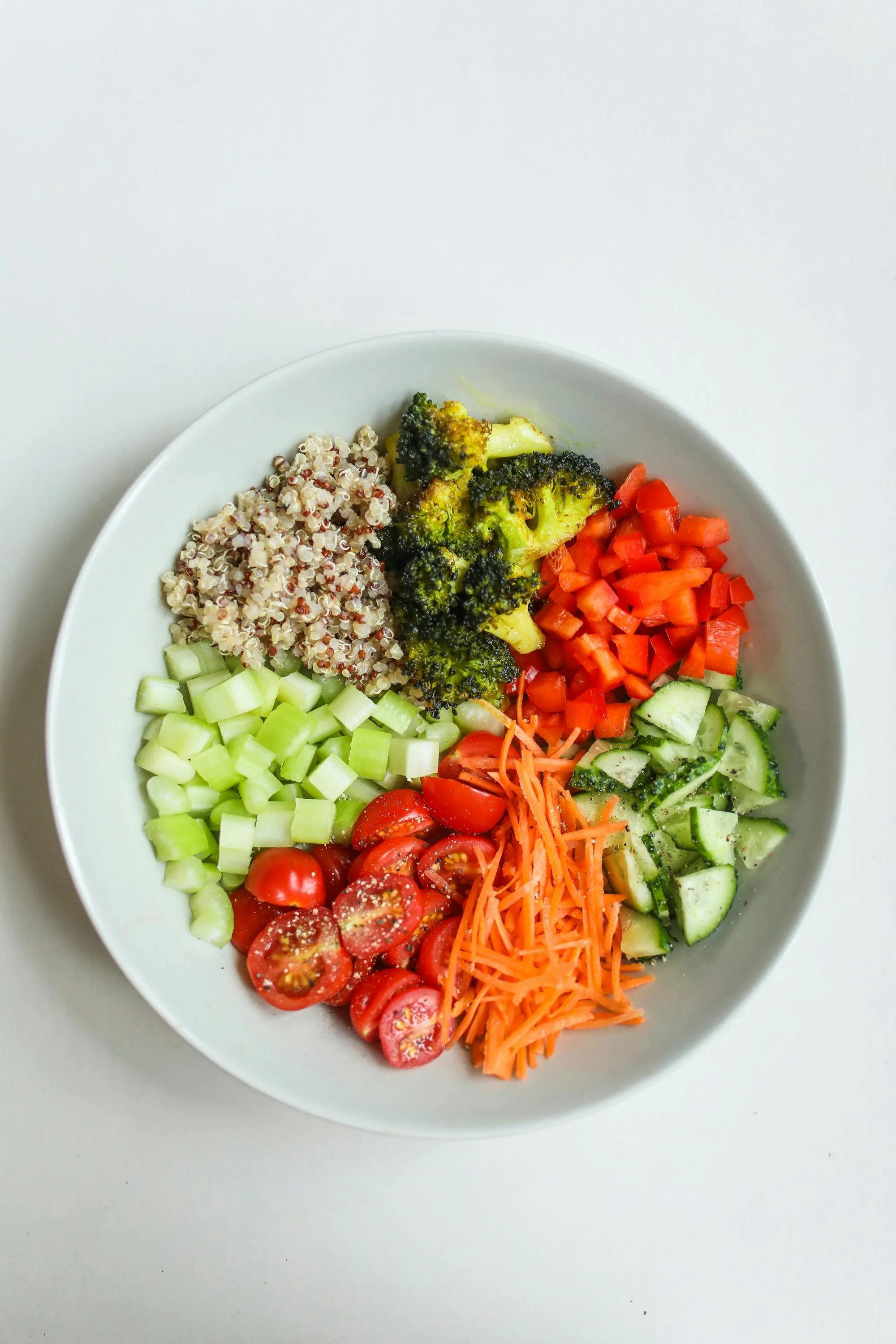
The "Healthy Salad" Trap
I can't tell you how many people come to me saying, "I tried to eat healthier by having a big salad for lunch, and I felt terrible for the rest of the day."
Here's why: A big raw salad with lots of different vegetables, seeds, and a creamy dressing is basically a triple threat—high insoluble fiber, raw form (harder to digest), and often high fat from the dressing. For someone with a sensitive gut, it's a recipe for bloating, gas, and discomfort.
The same vegetables, cooked until soft and served with a small amount of olive oil? Often completely fine.
The Combination Effect: When Triggers Stack
Here's something crucial that I see people miss all the time: Triggers often stack.
You might tolerate a small amount of fat OR a small amount of FODMAPs OR caffeine individually, but combine them in one meal and you're in trouble.
Example stacking scenarios I've seen:
Coffee (caffeine) + pastry (fat + wheat/fructans) = disaster
Restaurant meal with fried food (fat) + garlic sauce (FODMAPs) + diet soda (artificial sweetener) = severe symptoms
Large salad (insoluble fiber) + creamy dressing (fat) + artificial sweetener in your drink = bloating and pain
This is why you might react to a food sometimes but not others. The food itself might be fine in isolation, but problematic when combined with other triggers.
Your detective work needs to account for the whole meal, not just individual foods.
The Timing Factor: When You Eat Matters Too
Two other factors that affect whether a food triggers symptoms:
Your Stress State
Remember from the Gut-Brain Reset series: eating while stressed changes how your gut processes food. A meal that's fine when you're relaxed might trigger symptoms when you're anxious.
Your Gut's Current State
If your gut is already irritated or inflamed, your tolerance is lower. You might handle a trigger food fine on a good day but react strongly on a bad day.
This variability is frustrating, but it's normal. Your gut isn't broken—it's just sensitive and context-dependent.
Starting Your Detective Work: The Next-Level Food Diary
Remember the food-symptom diary from our first tips series? Now I'm upgrading it to track these additional triggers.
For the next two weeks, track:
Everything you eat and drink (be specific about brands, preparation methods, portion sizes)
Timing (when you ate and when symptoms appeared)
Fat content (low, medium, high—estimate is fine)
Fiber content and type (raw veggies, cooked veggies, whole grains, etc.)
Your stress level when eating (1-10 scale)
Symptoms (what, when, severity 1-10)
This might seem like a lot, but you're building a database. After two weeks, patterns will emerge that you'd never spot otherwise.
What You're Looking For
As you review your food diary, watch for:
Foods that trigger symptoms every single time (clear triggers)
Foods that trigger symptoms when combined with other things (stacking triggers)
Foods that are fine sometimes but problematic others (context-dependent triggers)
Timing patterns (symptoms 30 min after = probably fat; 2-6 hours after = probably FODMAPs or fiber)
Don't jump to conclusions after one or two meals. You need consistent patterns across multiple days.
What I'm Covering in Part 1B
In the next post, I'll cover the three trigger categories that most doctors never mention: food additives and preservatives, caffeine and stimulants, and histamine/food chemicals.
These are the hidden triggers that explain why you might react to seemingly random foods that don't fit the FODMAP or fat/fiber pattern.
After Part 1B, you'll have a complete picture of all five trigger categories, and you'll be ready to move into the systematic testing protocol in Part 2.
Have you noticed fat or fiber triggering your symptoms? What patterns have you spotted? Share in the comments—your experience might help someone else recognize their own patterns.