The IBS Food Detective Series: Part 4 - When "Healthy" Foods Make You Worse (And What to Do About It)
"Just eat more vegetables."
"You need more fiber."
"Switch to whole grains."
"Raw food is better for you."
"Drink more green smoothies."
If you have IBS, you've probably heard all of this advice. And if you're like most people with IBS, you've probably tried it—and felt dramatically worse.
Welcome to the most frustrating paradox of IBS: The foods that are supposed to heal your gut are often the exact foods that trigger your symptoms.
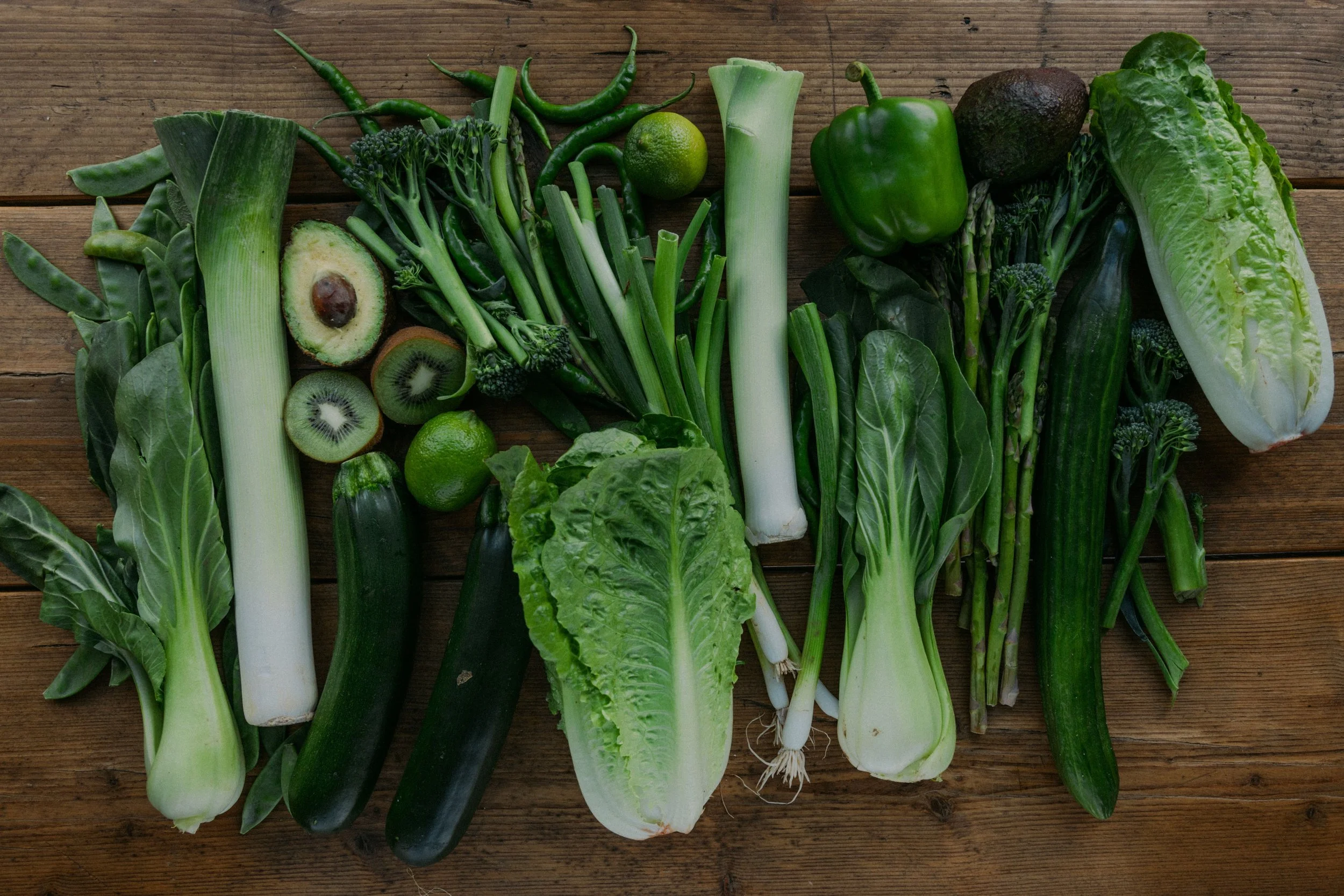
This isn't your fault. It's not a personal failing. And it doesn't mean you're "doing it wrong." It means that IBS requires a different definition of "healthy eating"—one that prioritizes what YOUR gut can actually handle over what works for people with normal digestive systems.
Today, I'm dismantling the myth of universal healthy eating and building a framework for what "healthy" actually means when you have IBS.
The "Healthy Food Paradox" Explained
Let me start by helping you understand why this happens.
When nutrition experts recommend foods for gut health, they're usually thinking about:
- High fiber for regular bowel movements
- Fermented foods for probiotics
- Raw vegetables for maximum nutrients
- Whole grains for sustained energy
- Healthy fats for inflammation
All of this is great advice... if your gut works normally.
But with IBS, your gut is hypersensitive. The mechanisms that are supposed to help—fiber moving through your intestines, bacteria fermenting food, raw vegetables providing bulk—become sources of pain, bloating, and disruption.
It's like having sensitive skin and being told to exfoliate more. The advice is well-intentioned, but it ignores your specific physiology.
## The Top "Healthy" Foods That Commonly Trigger IBS
Let's get specific. Here are the foods most often recommended for health that frequently trigger IBS symptoms:
1. Raw Vegetables (Especially Cruciferous)
Why they're recommended: High in fiber, vitamins, and antioxidants
Why they trigger IBS:
- High insoluble fiber content irritates sensitive guts
- Cruciferous vegetables (broccoli, cauliflower, cabbage, Brussels sprouts) contain sulfur compounds and FODMAPs that cause gas and bloating
- Raw form is harder to digest than cooked
The IBS-friendly alternative:
- Cook your vegetables thoroughly (steaming, roasting, boiling)
- Peel vegetables when possible (skin contains most of the insoluble fiber)
- Choose lower-FODMAP options (carrots, zucchini, green beans, bell peppers)
- Start with very small portions and work up gradually
Real talk: A big raw salad might be the poster child for "healthy eating," but for many people with IBS, it's a guaranteed bloating disaster. Cooked vegetables give you the same nutrients with way less gut distress.
2. Beans and Legumes
Why they're recommended: Excellent protein, fiber, and micronutrients; heart-healthy
Why they trigger IBS:
- High in FODMAPs, specifically GOS (galacto-oligosaccharides)
- Contains indigestible sugars that get fermented by gut bacteria, creating gas
- High fiber content can be overwhelming for sensitive guts
The IBS-friendly alternative:
- Canned beans are lower in FODMAPs than dried (some of the FODMAPs leach into the water)
- Rinse canned beans thoroughly
- Start with small amounts (1-2 tablespoons, not 1 cup)
- Try firmer legumes first (lentils and firm chickpeas often better than soft black beans)
- Consider canned lentils as the "easiest" entry point
Real talk: You might never be able to eat a big bowl of three-bean chili. But you might tolerate a small amount of rinsed chickpeas on a salad. Adjust your expectations.
3. Whole Grains (Especially Wheat)
Why they're recommended: More fiber and nutrients than refined grains
Why they trigger IBS:
- Wheat contains fructans (a FODMAP)
- Whole grains have more insoluble fiber than refined grains
- The "healthy" recommendation often means eating large quantities
The IBS-friendly alternative:
- Sourdough bread (fermentation reduces FODMAPs)
- Spelt or ancient grain breads (some people tolerate these better)
- Oats (naturally low-FODMAP and soluble fiber)
- White rice (yes, it's refined, but it's gentle on IBS guts)
- Small portions of whole grains rather than making them the base of every meal
Real talk: White bread isn't the devil when you have IBS. If it's a safe food for you, eat it without guilt. You're not "failing" at health—you're honoring your gut's needs.
4. High-Fiber Smoothies and Protein Shakes
Why they're recommended: Convenient way to pack in nutrients, greens, and protein
Why they trigger IBS:
- Often contain multiple high-FODMAP fruits (apple, mango, watermelon)
- Raw greens and vegetables are hard to digest even when blended
- Added fiber supplements (inulin, psyllium) can cause severe bloating
- Protein powders often contain FODMAPs or artificial sweeteners
- Drinking your food means less mechanical breakdown before it hits your gut
The IBS-friendly alternative:
- Keep smoothies simple: 1 low-FODMAP fruit + 1/2 cup spinach + safe protein + liquid
- Use lactose-free milk or almond milk (not coconut milk, which can be high-fat)
- Skip the added fiber powders
- Choose protein powders carefully (rice protein or specific low-FODMAP blends)
- Drink slowly rather than chugging
Real talk: That Instagram-worthy smoothie bowl with 10 ingredients is a recipe for disaster when you have IBS. Simple is better.
5. Fermented Foods (Kombucha, Sauerkraut, Kimchi)
Why they're recommended: Probiotics for gut health
Why they trigger IBS:
- High in histamine (triggers symptoms in people with histamine sensitivity)
- The fermentation creates gas-producing compounds
- Often contain high-FODMAP vegetables (cabbage, garlic, onions)
- Carbonation in kombucha can cause bloating
The IBS-friendly alternative:
- Start with fermented foods that are gentler: plain yogurt (if you tolerate lactose), kefir in small amounts
- Try probiotic supplements instead (more controlled dose, specific strains)
- If you do eat fermented foods, start with 1 teaspoon, not 1 cup
- Choose low-histamine options if histamine is an issue for you
Real talk: Fermented foods work wonders for some people with IBS and cause absolute mayhem for others. Don't force it if your gut hates it.
6. Nuts and Seeds (In Large Quantities)
Why they're recommended: Healthy fats, protein, fiber
Why they trigger IBS:
- High in fat (can trigger symptoms in fat-sensitive people)
- High in fiber and insoluble fiber (especially with skins on)
- Some nuts are high in FODMAPs (cashews, pistachios)
- Seeds can irritate sensitive intestines
The IBS-friendly alternative:
- Stick to small portions (10-15 nuts, not handfuls)
- Choose lower-FODMAP nuts (macadamias, walnuts, pecans, peanuts in small amounts)
- Try nut butters (easier to digest than whole nuts)
- Remove skins when possible
- Avoid large amounts of seeds (especially if you have IBS-D)
Real talk: A handful of almonds as a snack might be fine for someone with a normal gut, but for IBS, it might mean hours of bloating. Portion size matters enormously.
7. Fruit in Large Quantities (Especially High-FODMAP Fruits)
Why it's recommended: Vitamins, antioxidants, natural sweetness
Why it triggers IBS:
- Many fruits are high in fructose or polyols (both FODMAPs)
- High fiber content, especially in the skin
- Fruit sugar can feed bacteria that produce gas
The IBS-friendly alternative:
- Stick to low-FODMAP fruits (berries, citrus, bananas, kiwi, cantaloupe)
- Eat small portions (1/2 cup, not 2 cups)
- Choose ripe fruit (easier to digest)
- Avoid dried fruit (concentrated FODMAPs)
- Spread fruit intake throughout the day rather than eating it all at once
Real talk: That big fruit salad or fruit platter might look healthy, but it's often a FODMAP bomb. One piece of fruit at a time is usually safer.
8. "Healthy" Oils and Fats in Large Amounts
Why they're recommended: Anti-inflammatory, good for heart health
Why they trigger IBS:
- High fat triggers the gastrocolic reflex (urgent bowel movements)
- Even "healthy" fats like avocado can be too much for fat-sensitive guts
- Large amounts of any oil or fat slow digestion
The IBS-friendly alternative:
- Use small amounts of fat (1 tablespoon olive oil, not 1/4 cup)
- Choose your fat sources carefully (olive oil is often better tolerated than avocado oil)
- Distribute fat throughout the day rather than one high-fat meal
- Cook methods matter: steamed/baked with a little oil is better than fried
Real talk: Avocado toast might be a health food staple, but a whole avocado can trigger symptoms. 1/4 avocado might be your sweet spot.
The "Clean Eating" Trap
Here's where things get psychologically tricky: Diet culture tells us that if we just eat "clean enough," we'll be healthy.
For people with IBS, this creates a terrible bind:
- You try to eat "clean" (raw veggies, whole grains, lots of fiber)
- You feel worse
- You blame yourself for "not doing it right"
- You restrict more, trying to be "healthier"
- You feel even worse
- The cycle continues
The truth: Clean eating isn't the same as IBS-friendly eating. Sometimes the most healing choice is white rice and chicken. Sometimes it's sourdough bread instead of whole wheat. Sometimes it's cooked vegetables instead of raw.
This isn't failure. This is adaptation.
Redefining "Healthy" for IBS
Let me create a new definition of healthy eating that actually works for IBS:
Healthy eating with IBS means:
✓ Foods that don't trigger your symptoms
✓ Adequate nutrition (calories, protein, vitamins, minerals)
✓ Variety within your safe foods
✓ Enjoyment of food without fear
✓ Flexibility to participate in social eating
✓ Energy to live your life
Healthy eating with IBS does NOT mean:
✗ Following generic nutrition advice that ignores your gut
✗ Eating foods that make you miserable because they're "good for you"
✗ Forcing yourself to eat raw vegetables or whole grains
✗ Feeling guilty about eating refined grains or cooked vegetables
✗ Restricting so much that you're malnourished
✗ Never being able to eat out or enjoy meals with others
## The "Good Enough" Nutrition Framework
Perfectionism is a symptom trigger too. Here's the more realistic framework I use:
Tier 1: Non-Negotiable Nutrition Needs
- Adequate calories (you need energy to function)
- Adequate protein (for tissue repair, immune function)
- Some fruits and vegetables (even if cooked, even if low-fiber)
- Hydration (water is crucial for gut function)
If you're meeting these, you're doing okay. Don't let anyone tell you otherwise.
Tier 2: Nice-to-Have Nutrition
- Variety of colors in fruits/vegetables (different nutrients)
- Some whole grains (if you tolerate them)
- Healthy fats in small amounts (omega-3s, etc.)
- Fermented foods or probiotics (if you tolerate them)
These improve overall health, but they're not worth sacrificing gut stability for.
Tier 3: Optimization
- Maximizing fiber (only if your gut can handle it)
- Raw vegetables (only if you tolerate them)
- Large portions of "superfoods" (only if they don't trigger you)
These are nice if you can do them, but they're completely optional for people with IBS.
Most people with IBS will live primarily in Tier 1, occasionally in Tier 2, and rarely in Tier 3. That's perfectly fine.
Building Your IBS-Healthy Plate
Here's a practical template I recommend for balanced meals that won't wreck your gut:
The foundation (50% of your plate):
- Safe starch: white rice, potatoes, sourdough bread, oatmeal, pasta
- This provides energy without overwhelming your system
The protein (25% of your plate):
- Lean, well-cooked protein: chicken, fish, turkey, eggs, tofu (if tolerated)
- Enough to meet your body's needs without excess fat
The vegetables (25% of your plate):
- Cooked, low-FODMAP vegetables: carrots, zucchini, green beans, bell peppers, spinach
- Cooked until soft, not al dente
The fat (a small addition):
- 1 tablespoon of olive oil, a small amount of butter, or a thin slice of avocado
- Enough for flavor and satiety, not so much that it triggers symptoms
The result: A balanced, nutritious meal that your gut can actually handle.
When to Revisit "Healthy" Foods
Just because a food triggers you now doesn't mean it always will. As your gut heals (through stress management, sleep optimization, and gut-brain work), your tolerances may change.
I recommend retesting "healthy" foods every 6-12 months:
- Raw vegetables (in small amounts)
- Whole grains (in small portions)
- Beans and legumes (well-rinsed, small portions)
- High-fiber fruits
You might be surprised. Foods that were off-limits a year ago might be fine now—in moderation.
Navigating Healthcare Providers Who Don't Get It
One of the most frustrating experiences is having a doctor or nutritionist who doesn't understand IBS tell you to "eat more fiber" or "just eat healthier."
How to advocate for yourself:
"I appreciate the recommendation, but I have IBS, and high-fiber foods actually make my symptoms worse. I've been tracking my food and symptoms carefully, and I need a different approach."
If they push back:
"I understand that works for most people, but IBS requires a different strategy. Can we talk about nutrition approaches specifically designed for IBS?"
If they still don't get it:
Find a new provider. Seriously. You need someone who understands that IBS is different.
The Permission You Need
I'm going to say this explicitly because someone needs to:
You have permission to:
- Eat white rice instead of brown rice
- Choose refined grains over whole grains
- Cook all your vegetables
- Skip the smoothie bowl
- Avoid raw salads
- Eat smaller portions of fiber-rich foods
- Prioritize symptom management over "optimal nutrition"
You're not lazy. You're not uninformed. You're not "giving up on health." You're managing a chronic digestive condition that requires adaptations.
The goal isn't to eat like someone with a normal gut. The goal is to nourish your body while keeping your symptoms manageable so you can actually live your life.
Making Peace With "Imperfect" Nutrition
Here's the final mindset shift I want you to make: Food is not just nutrients. Food is also joy, culture, connection, and energy.
A meal that's nutritionally "perfect" but leaves you in pain for hours isn't actually healthy—it's harming your quality of life.
A meal that's nutritionally "imperfect" but allows you to eat with your family without anxiety, gives you energy, and doesn't trigger symptoms IS healthy for you.
Stop comparing your plate to what Instagram says is healthy. Start comparing your plate to what actually makes you feel good.
Your Action Plan
This week, I want you to do something radical:
1. Identify one "healthy" food that consistently makes you feel worse
2. Give yourself explicit permission to stop eating it (write it down: "I have permission to not eat [food] even though it's supposed to be healthy")
3. Replace it with a food that feels good in your body, even if it's "less healthy" by conventional standards
4. Notice how you feel physically AND emotionally when you honor your gut's needs instead of following generic health advice
This is what food freedom looks like with IBS. It's not about eating everything. It's about eating what works for YOUR body without guilt.
The Bottom Line
IBS requires you to redefine healthy eating. It's not about what nutrition science says should work—it's about what actually works for your specific gut.
Sometimes that means white rice over brown. Sometimes it means cooked vegetables over raw. Sometimes it means skipping the smoothie and eating simple, boring foods.
And that's not just okay—it's the smartest thing you can do.
Your body deserves food that nourishes it without causing pain. You deserve to eat without fear. And you deserve to stop feeling guilty about doing what you need to do to manage your condition.
That's true health with IBS.
What "healthy" food have you given yourself permission to stop eating? How did it feel to let go of the guilt? Share in the comments—your story might be exactly what someone else needs to hear.